
Mastering the Art of the Tranquil Commute
July 16, 2018
Mastering the Art of the Tranquil Commute
It’s a well-known fact that commuting to work each day causes stress and anxiety and that it can take a psychological toll on individuals. Psychology Today
reports that it’s partly because of its “unpredictability and a sense of loss of control.”
But does it have to be that way? Even though commuting times are increasing and traffic is getting worse, is there a way to take back control and bring some balance to time spent getting to and from work? Can you find your inner peace while driving in bumper to bumper traffic? While pressed up close to your seatmates on the train? Listening to your carpool partner talk for an hour about the floral arrangements at her upcoming wedding? The answer may just be in changing your habits and your mindset.

Try Transit
A study conducted at the University of Anglia
looked at survey data from 18,000 commuters and their findings were that those who commuted by transit were happier. They believe that this is because driving is a “non-passive travel mode” meaning that drivers have to be constantly on alert and paying attention and that this can be “boring, isolating, and stressful.” By comparison “active travelers,” such as those who use transit, were happier and weighed less. This can be attributed to that fact that most transit riders walk for at least part of their trip. The researchers concluded that this appeared to “cheer people up.”

Consider Practicing Mindfulness
Mindfulness is a mental state that promotes a focused awareness on the present moment and on the thoughts, feelings, and bodily sensations that are happening in that moment. It has become incredibly popular. The Harvard Gazette
recently published an article touting the benefits of mindfulness saying that there is “a growing body of research
showing that it reduces stress and anxiety, improves attention and memory, and promotes self-regulation and empathy.” Combining mindfulness with meditation can yield many benefits as well. The practice involves sitting comfortably, regulating your breathing and, focusing your attention in a way that isn’t expectant on a particular outcome. Practicing mindfulness and or meditation before and after work or even during the day may help to calm your thoughts and help you manage the negative impacts of your commute.

Plan Ahead
Most experts agree that planning ahead can help to reduce your stress level, much of which comes from feelings of anxiety or pressure. Commuting can often be unpredictable and that leads to getting stressed. While no one can see a major traffic incident or transit delay coming, you can try to make sure that you have enough time built in to your schedule to arrive at work without feeling totally frazzled. This could mean negotiating flexible work hours so you can commute around peak traffic. It could also involve some days spent teleworking from home and avoiding the commute altogether if your company allows it.

Get Enough Sleep and Eat Right
Nothing zaps the zen out of your commute faster than feeling tired and having low energy. The National Highway Traffic Safety Administration
reports that between 2011 and 2015 there were a total of 4,121 crashes related to drowsy driving and it is strongly believed that this number is seriously underreported and so is likely considerably higher. If you are driving, then don’t put yourself and other drivers at risk. Check out our earlier blog post for tips on getting better sleep. You can help yourself to be alert and at your best by starting with any number of healthy foods to get you going in the morning including things like oatmeal, egg whites, yogurt, and fresh fruit. New research even indicates that coffee
is beneficial and may even help you live longer so go ahead and enjoy that cup before you head out.

Share Your #CalmCommute Story
Things like listening to music, podcasts, or audiobooks are often good ways to refocus your energy on something positive that you enjoy while you are commuting. How do you find your commuting nirvana? Share your story on social media with #calmcommute and we will publish the best ideas.
This blog post originally appeared on the TransAction Associates blog, Driven, and was reprinted with permission [source: http://transactionassoc.com/mastering-the-art-of-the-tranquil-commute/].

For Matt Berberich, commuting without a car is both practical and enjoyable. His daily routine combines public transportation, walking, and the Alewife TMA shuttle, giving him a flexible way to get to work while avoiding many of the costs and stresses that come with driving. From listening to music on the T to walking through the Alewife/Fresh Pond area, Matt’s commute reflects how car-free travel can become part of a reliable and rewarding way to get around! In this month’s Commuter Spotlight, Matt shares more about his work at Tasca Therapeutics, what led him to choose a car-free lifestyle, and the small moments that make his commute memorable!

With FIFA World Cup 26™ coming to the region, travel patterns across Greater Boston will look very different—especially on match days. While it’s exciting that the region will be part of a global sporting event, it will also bring noticeable changes to how people move through the transportation system. While games will be played at Gillette Stadium, the impacts won’t be limited to Foxborough. Alewife Station is expected to see increased activity from fans heading into Boston before continuing to the stadium. South Station will serve as the primary departure point for special event trains to Foxborough, bringing additional riders inbound from Alewife and surrounding communities. For regular commuters, this will likely mean fuller trains, more congestion in and around the station, and a commute that may take longer—or feel less predictable—than usual. As the transportation management association for the Alewife area, Alewife TMA is sharing what to expect and how to plan ahead as regional travel demand increases during FIFA World Cup 26™.
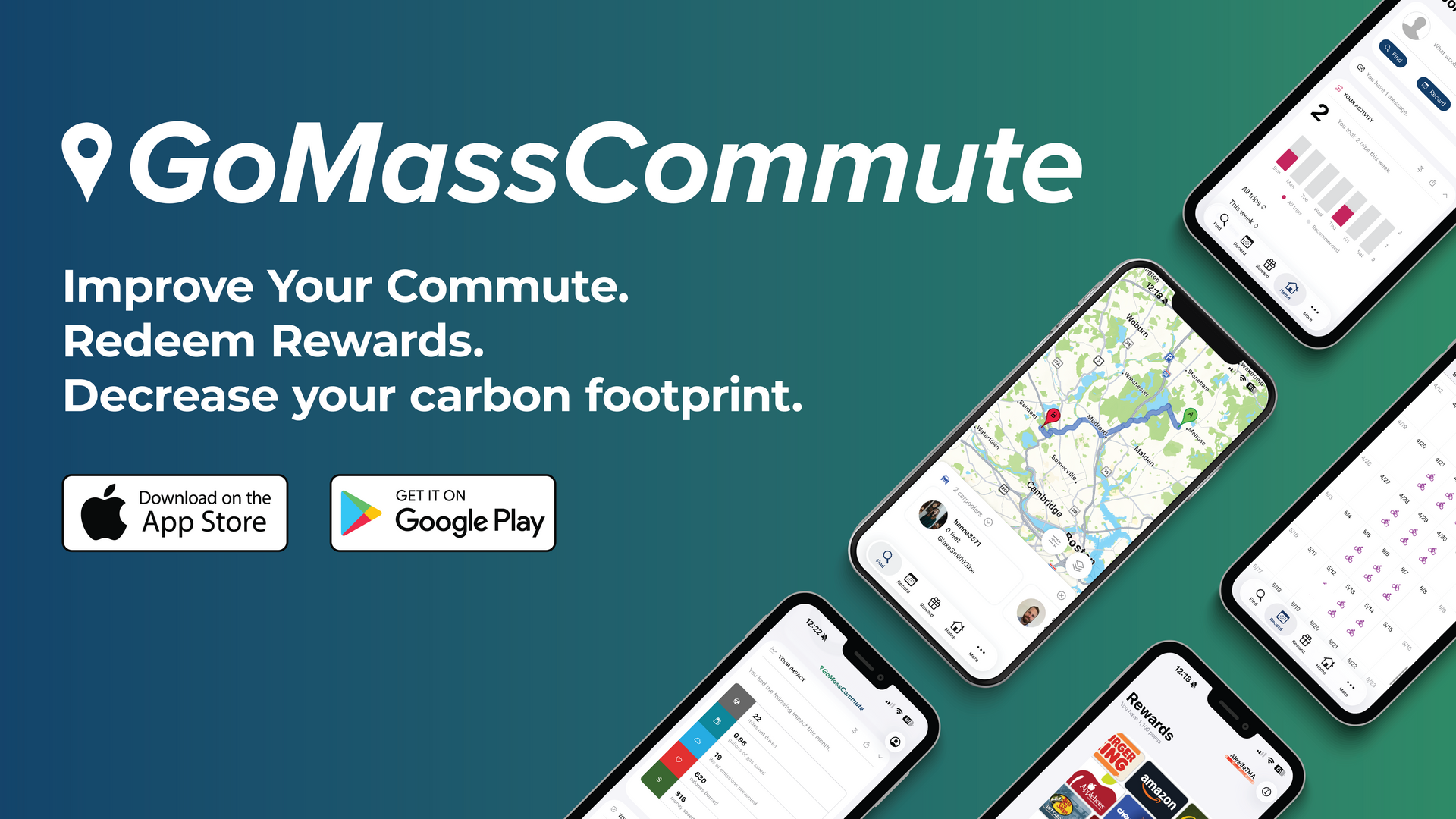
Alewife TMA is proud to introduce GoMassCommute , a smarter, more rewarding way to plan your commute, access valuable benefits, and earn rewards simply for getting to work. GoMassCommute is a collaborative effort among Transportation Management Associations (TMAs) across Massachusetts, and is supported with grant funding from MassDOT. As commuting patterns evolve and flexibility becomes more important than ever, GoMassCommute brings everything you need into one easy-to-use platform—whether you drive, take transit, carpool, vanpool, bike, walk, or work from home. But this isn’t just a trip planner. It’s a platform that actively supports better commuting choices— while rewarding you for making them.

Every commute has a story, and in Alewife TMA’s “Commuter Spotlight” series, we share about the commuters whose daily trips keep our community moving. This month, we caught up with Alexa Shier, a member of the People Operations team at Invaio Sciences, located at TMA member building 75 Moulton (The Quad) to learn more about her transit-and-shuttle commute from Somerville to Cambridge . . . proof that even a multi-step journey can have a few bright spots along the way. Alewife TMA: Please tell our readers a little about you. Where do you work and what do you do there? Alexa: I’m a member of the People Operations team at Invaio Sciences, an agricultural biotechnology company. I support initiatives that help create a positive employee experience. TMA: How do you commute to work daily? Alexa: My commute is definitely a journey! I live in Somerville and work in Cambridge, so each morning I take the Orange Line to Downtown Crossing, transfer to the Red Line, ride to Alewife, and then hop on the Alewife TMA Loop Shuttle that brings me to the office. It is definitely a multi-step process!
In 2025, the Alewife TMA turned everyday commutes into meaningful impact, strengthening connections across the community. From expanded shuttle service and on-site commuter events to monthly challenges, bike support, and the first annual Stuff A Shuttle drive, the year was defined by collaboration and momentum. With new tools and programs launching in 2026, Alewife TMA is building on that energy to make sustainable commuting even easier and more rewarding.

Commuting through Alewife? Discover walkable coffee shops, breakfast, lunch, and after-work spots near Alewife Brook Parkway—no car needed.
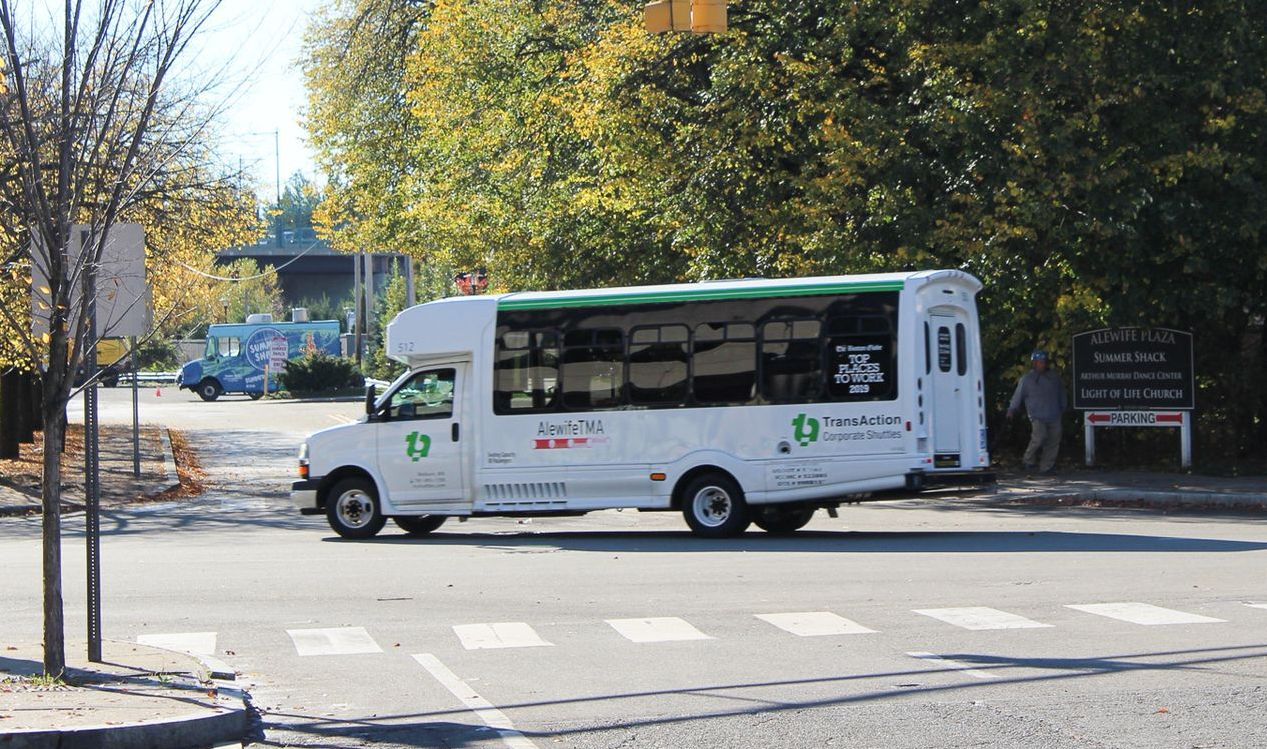
2024 has been a year of progress for sustainable commuting in our community! From reducing carbon footprints to expanding commuting options, Alewife TMA has made meaningful strides—thanks to our engaged members, partners, and commuters like you. Let’s keep the momentum going in 2025!

Alewife TMA Commuter Spotlight: Sitaram Meena, PhD
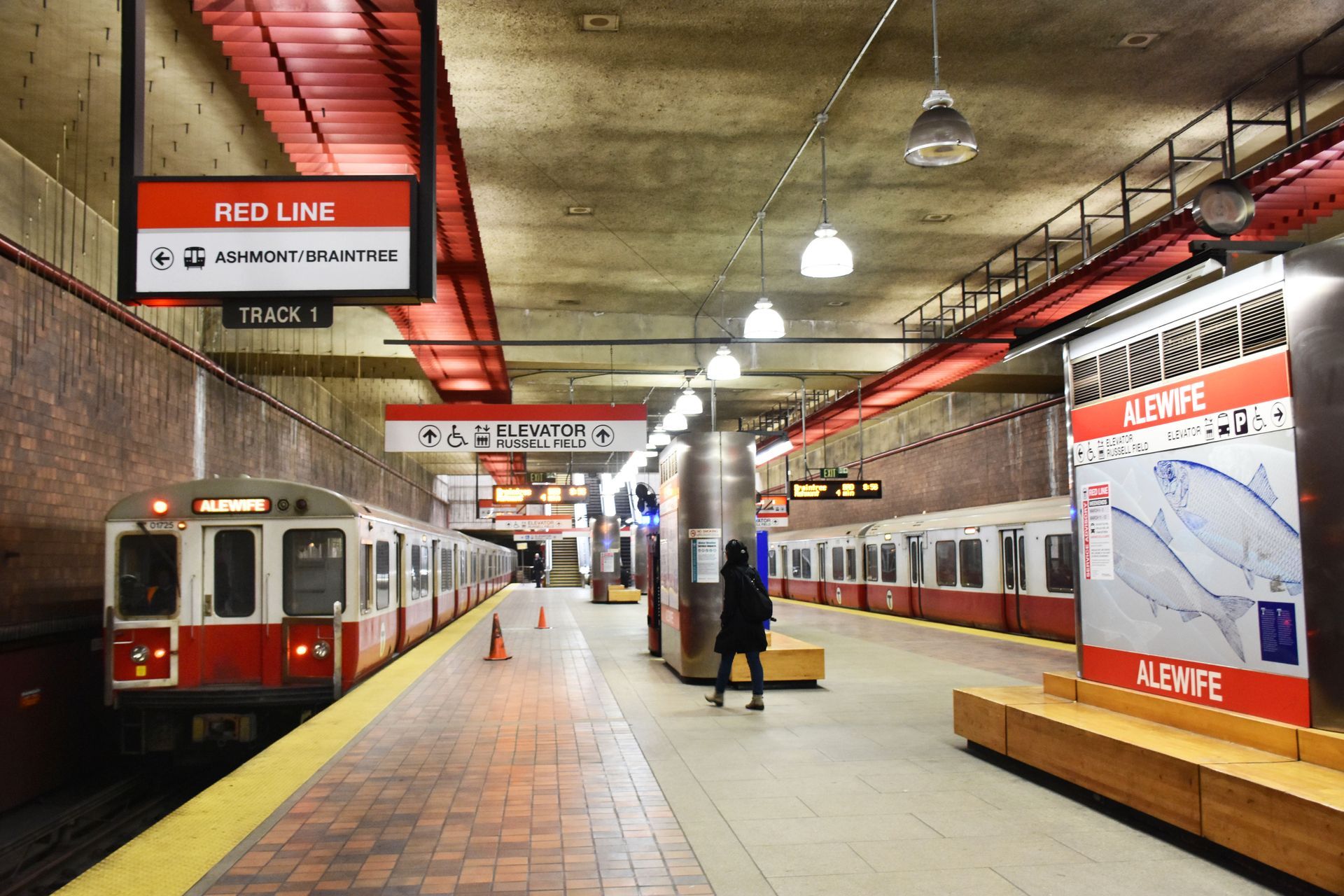
No Red Line Service Between JFK/UMass & Braintree, Sep 6–29 Free Shuttle Buses: During the shutdown, free shuttle buses will make stops at Braintree, Quincy Adams, Quincy Center, Wollaston, North Quincy, and Ashmont. Commuter Rail will be FREE between Braintree and South Station: Use the Middleborough/Lakeville and Kingston lines for service from Braintree. Use the Middleborough/Lakeville, Kingston, and Greenbush lines for service from Quincy Center (except for during the weekend closures). MBTA personnel will be available to assist riders. Commuter Rail Weekend Closures: The weekends of September 7th–8th and 14th–15th Kingston, Middleborough, and Greenbush Commuter Rail service will be suspended between South Station and Braintree. Shuttles will run directly between South Staton and Braintree. At Quincy Center use Red Line Shuttle to Braintree to Connect to South Station. MBTA officials say once the track work is completed, it will improve round-trip Braintree Branch travel times by as much as 24 minutes, running service up to the maximum allowable speed of 40 miles per hour. For the latest information, we suggest the following resources: Visit camb.ma/redline for additional transit options during Red Line closures. Visit mbta.com/redline for the most up-to-date information during the closures. Visit mbtaclosures.com for information on all MBTA closures.
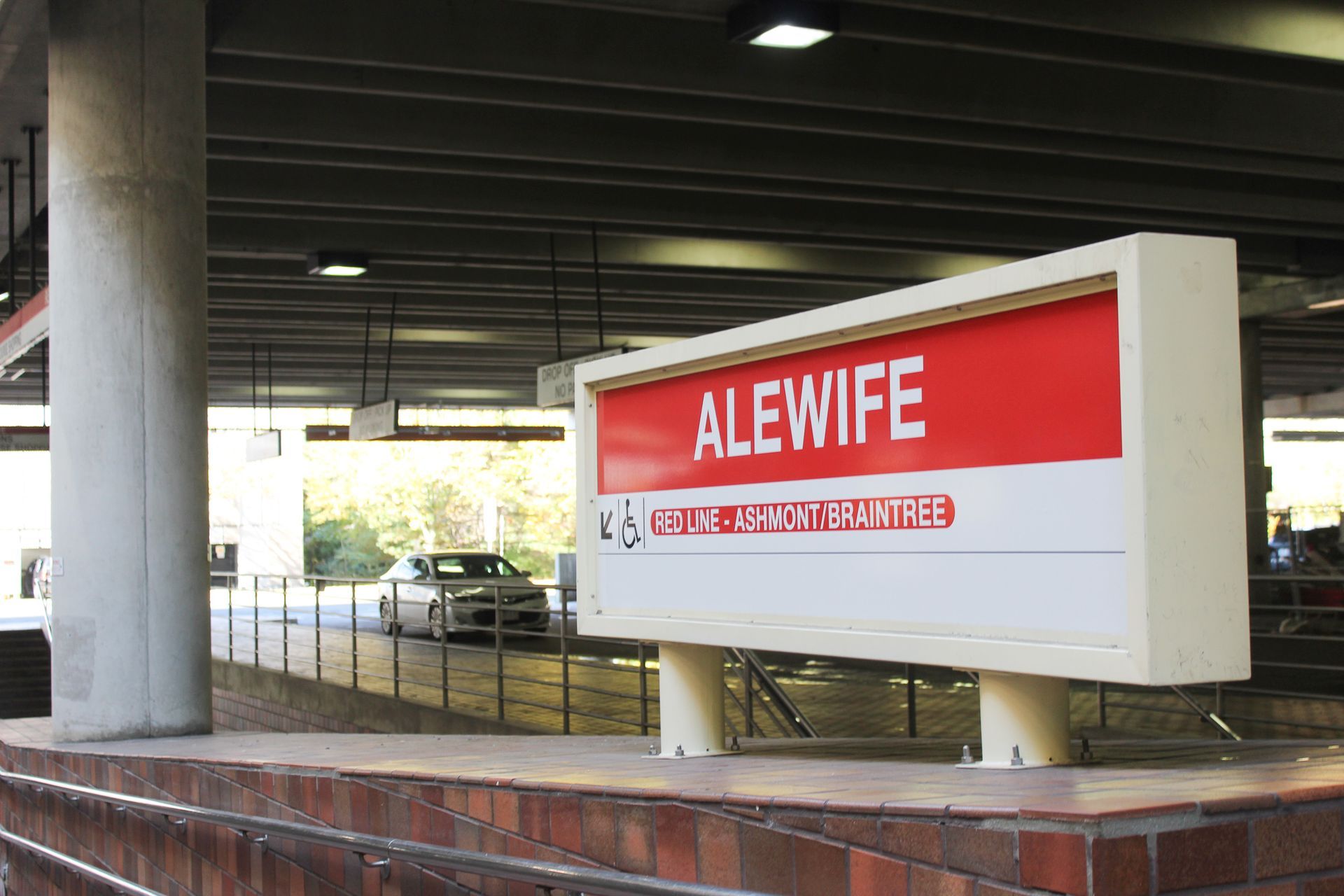
Beginning at 8:15 PM on Friday, July 12 through Sunday, July 28 there will be no Red Line trains running between Alewife Station and Kendall/MIT Station. The following options will be available: Free shuttle buses will make stops at all closed stations Express shuttle buses will stop at only Alewife, Porter, and Kendall/MIT A Shuttle Loop will operate from Harvard to Central to Kendall/MIT and back to Harvard. Free Commuter Rail between Porter Square and North Station plus an extra shuttle train (doubling Commuter Rail service) Five Free Bluebikes rides with code: MBTAREDJULY MBTA Bus #77 (Arlington Heights – Harvard) will be fare-free within Cambridge On weekdays evenings after 8:30 PM the closure will extend to Park Street (Boston) – no red line service between Alewife and Park Street Shuttle buses will stop at all stations between Alewife and Part Street. On Weekends: July 13-14 : the closure will extend to JFK/UMASS – no service between Alewife and JFK/UMASS July 20-21 : the closure will extend to Park Street (Boston) – no service between Alewife and Park Street July 27-28: the closure will extend to JFK/UMASS – no service between Alewife and JFK/UMASS Shuttle buses will stop at all closed stations. Note : Riders needing to go beyond Park Street will need to transfer to another shuttle at Park Street to go on to JFK/UMASS. The Commuter Rail will be fare-free between Braintree, Quincy Center, JFK/UMass, and South Station. Regular fares should be purchased beyond Braintree. The important thing to keep in mind is that there will be shuttle buses at all locations where Red Line service is closed. There will be signage and MBTA staff to assist riders in getting where they need to go. Below are a few good resources to find the most up-to-date information. Feel free to reach out to me with any questions or concerns. For the latest information, we suggest the following resources: Visit camb.ma/redline for additional transit options during Red Line closures. Visit mbta.com/redline for the most up-to-date information during the closures. Visit mbtaclosures.com for information on all MBTA closures